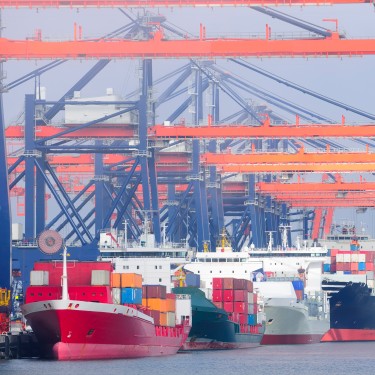
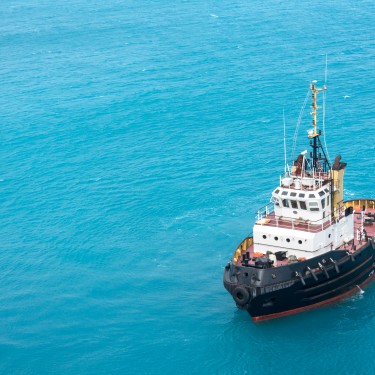
For almost 20 years, we have served the marine market by safely supplying chemical solutions such as caustic soda and liquid urea in drums, totes, and full truckloads. Because of our multiple locations across the globe and efficient supply-chain solution, we have the capability to provide marine chemicals in different concentrations directly to your vessel or shore site.
Caustic soda for marine emissions
We offer sodium hydroxide solution in concentrations from 20-50 percent and in quantities from 25-1,200kg. We also offer 25kg units of caustic soda flakes and pearls. The transportation of hazardous materials – including caustic soda – is subject to overlapping federal, state, and local laws and regulations, as well as international regulations.
In addition to the legal requirements for the transportation of hazardous materials, the laws of nature also place numerous de facto restrictions on the way sodium hydroxide can be safely packaged for transport.
Caustic soda uses in marine emissions
For instance, caustic soda can corrode or react with aluminum, and shed hydrogen atoms which, becomes an explosive hydrogen gas. Caustic soda should never be stored in aluminum containers for transport or storage.
Other metals that interact with sodium hydroxide to produce hydrogen include magnesium, zinc, tin, and chromium; caustic soda should never be kept in containers constructed of any of these materials. Caustic soda doesn’t react with stainless steel making stainless steel drums, tanks, and pipelines the standard in the industry.
However, caustic soda does interact with some plastics and can corrode the walls of containers or bags constructed of plastic, causing dangerous leaks or spills. For this reason, high-density polyethylene (HDPE) barrels and containers are used for packaging. As previously mentioned, caustic soda releases thermal energy when mixed with water.
For this reason, dry caustic soda should be in airtight containers to prevent moisture from reaching the material. Caustic soda should not be packaged in paper or cardboard, as those materials tend to be both porous and susceptible to combustion. Liquid sodium hydroxide can be transported in tanks, drums, or through pipelines. The same restrictions regarding packaging and container materials apply when caustic soda is being transported in its solid-state.