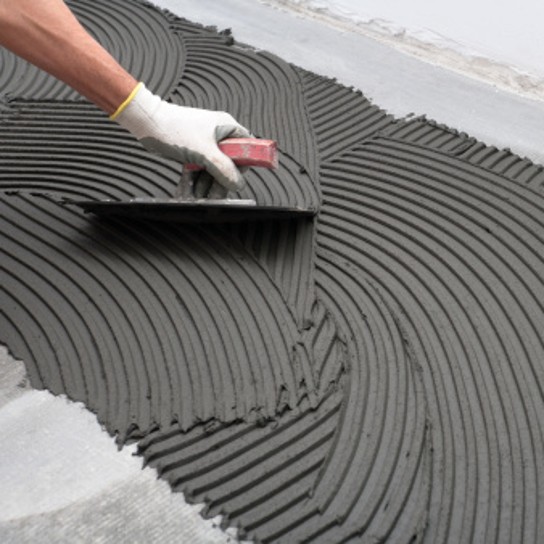
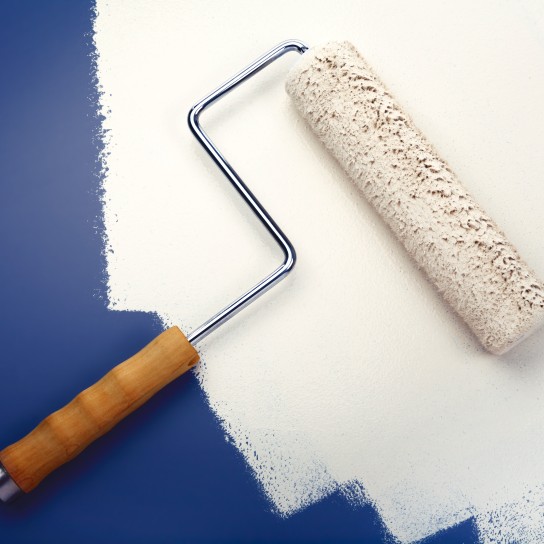
Vinyl acetate, also known as vinyl acetate monomer or VAM, has a chemical formula of C4H4O2. This chemical is primarily used as a raw material in the production of other industrial chemicals. Some of these derivatives include polyvinyl acetate polymers and ethylene-vinyl acetate copolymers. Vinyl acetate and its derivatives are most widely recognized as components used to produce adhesives, but the applications don't stop there. Coatings, resins,films and other substances made with vinyl acetate are present in a range of industrial applications.
Vinyl acetate appears in its pure form as a clear, colorless liquid. It's often described as having a sweet, fruity smell that can seem sharp to some people. It is slightly soluble in water and evaporates in air, though its vapors are heavier than air. Vinyl acetate is also highly flammable and may ignite in the presence of heat, sparks, or flames in the workplace.
In this article you will learn:
- What Vinyl Acetate is Made Of
- Is Vinyl Acetate Toxic
- Advantages of Vinyl Acetate
- Vinyl Acetate Derivatives
- Vinyl Acetate Uses