Better choices for the planet

Sustainability that works in everyday reality

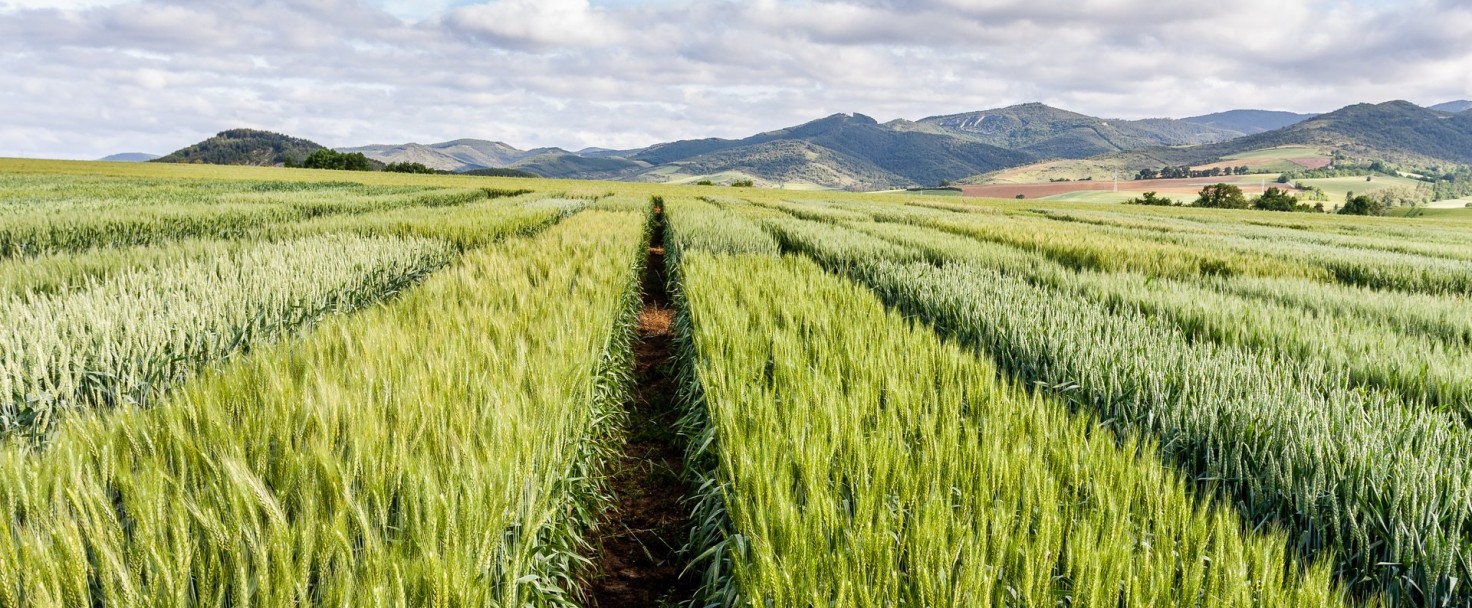
Cereal crop trials, Azpa, Navarra, Spain
Sustainability remains one of the biggest themes in food and nutrition. And in 2026, the conversation is more practical.
Consumers still care about the environment. At the same time, they also think about price, accessibility and trust. They look for products that balance environmental responsibility with value and everyday usability (Innova Market Insights, 2025).
This is changing how sustainability shows up in food. Instead of big promises, consumers respond to solutions that feel simple and achievable in daily life.
Plant-based innovation is also evolving. The focus is moving from imitation to nutrition, natural ingredients and less-processed options that support both personal health and environmental goals (Innova Market Insights, Top Trends 2026). Better Choices for the Planet is about making sustainability work in real conditions, not in theory.

Across regions, the same pattern appears: sustainability needs to be practical and visible in real product choices.
Several factors are shaping how sustainability develops:
    growing focus on resource efficiency across supply chains
    climate pressure influencing sourcing and raw material stability
    rising interest in plant-based ingredients
    demand for simpler, more natural products
These drivers are pushing companies to look at sustainability not only as a message, but as part of how products are designed and produced (Innova Market Insights, 2025–2026).
Sustainability is becoming a key factor in product development. Manufacturers are expected to:
  • reduce waste and improve yield
  • reduce water and electricity consumption
  • reduce CO2 impact
  • make better use of raw materials
  • simplify recipes and support clean labels
  • balance environmental impact with cost and performance
  • clear sustainability commitments that matter particularly to Generation Z and Millennials
The challenge is to make sustainability work in real production conditions and at scale.
We help turn sustainability goals into practical formulation choices. Our solutions include:
    plant-based proteins that support lower-impact nutrition
    upcycled ingredients that make better use of side streams and raw materials
    enzymes and functional ingredients that extend shelf life and reduce waste
    multifunctional solutions that simplify recipes and improve efficiency
    ingredients that support both nutrition and environmental positioning
In 2026, sustainability is no longer only about big commitments. It is about practical steps that make a real difference. For manufacturers, this creates a clear opportunity: to design products where environmental responsibility, performance and affordability work together.

From sustainability trends to better choices

Looking to turn sustainability goals into scalable food solutions? Our experts and application teams are ready to support your next innovation step.